 111
111 2
2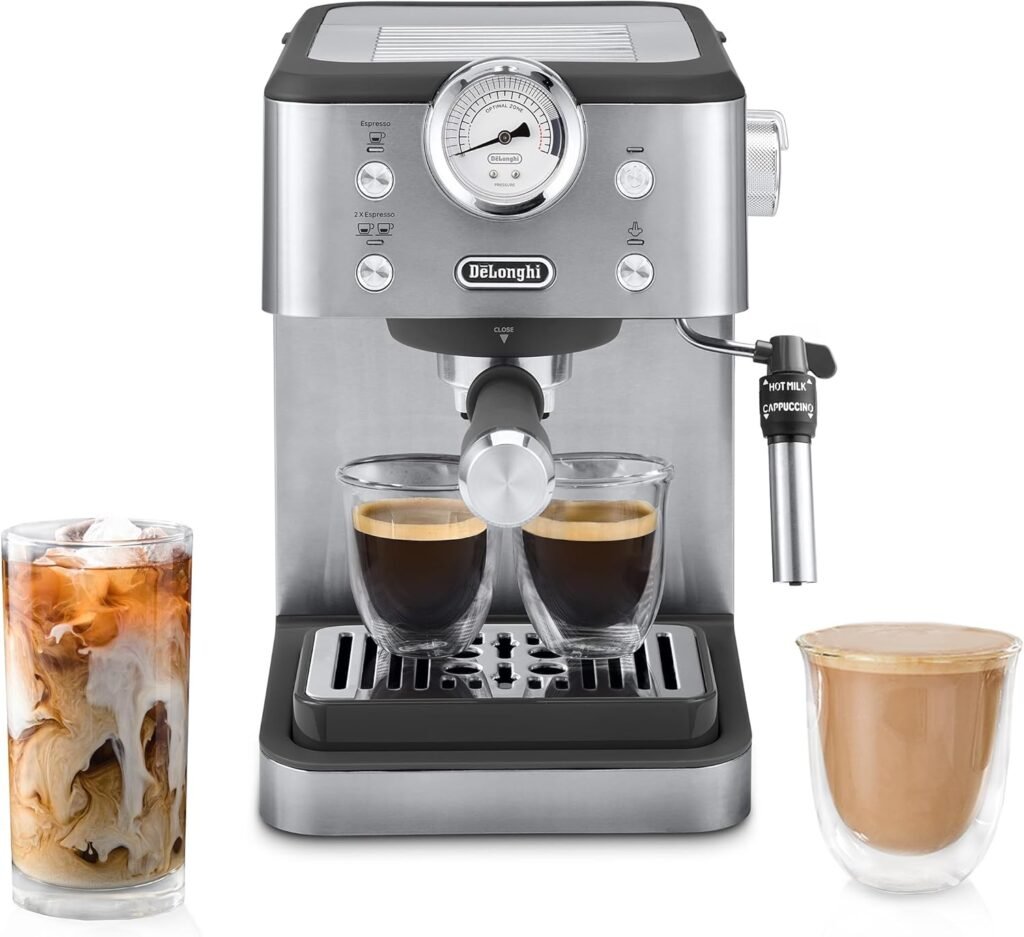 3
3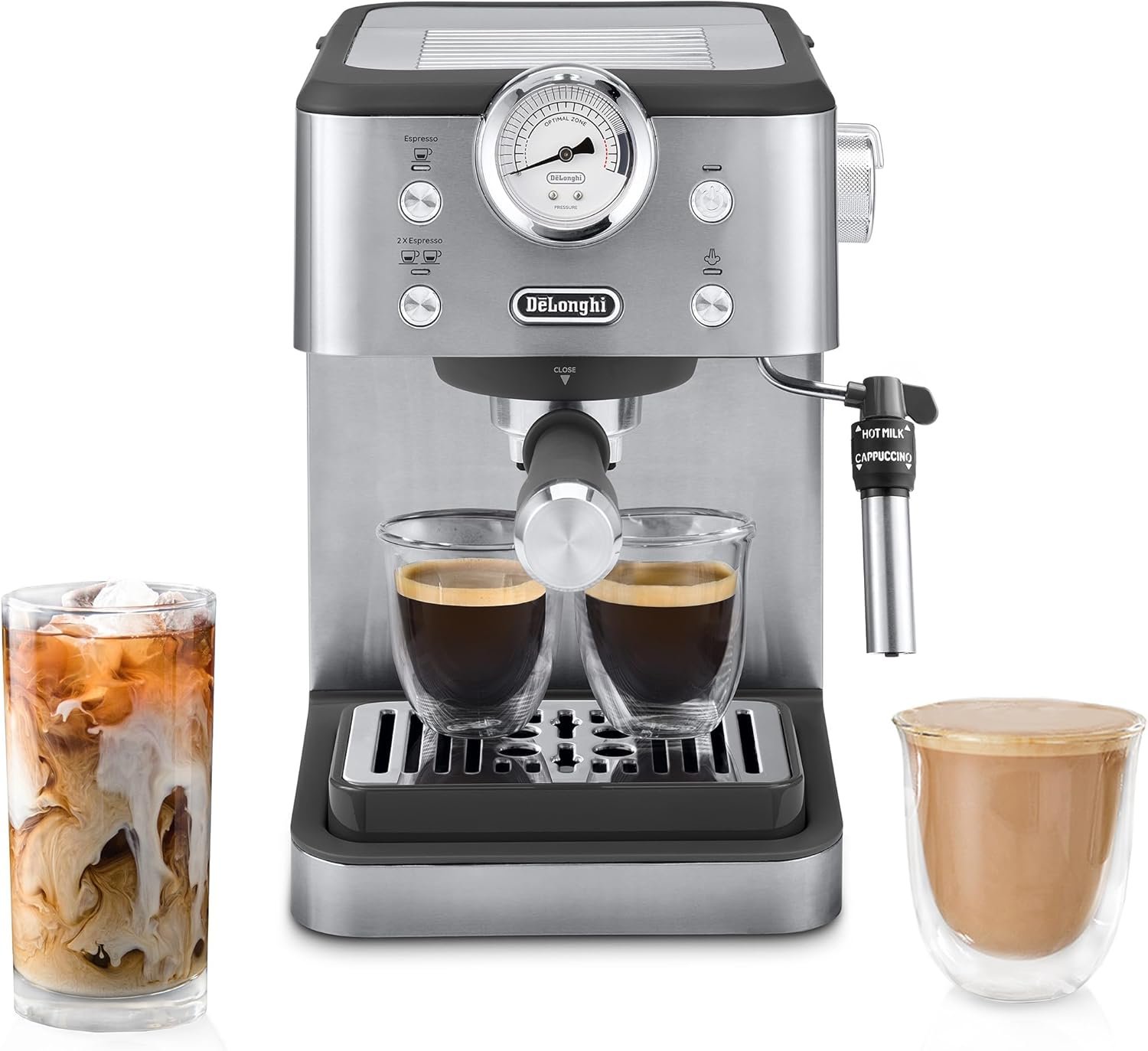
Setting up a home espresso bar is an exciting milestone for any coffee enthusiast. The ability to craft café-quality beverages on demand is a rewarding skill, but navigating the vast market of espresso gear can be daunting. While high-end commercial machines require deep technical knowledge, entry-level models sometimes lack the temperature stability and pressure control needed for balanced extraction.
The De’Longhi Classic Signature Espresso Machine (EM450M) sits gracefully in this sweet spot. Featuring a sleek brushed-metal design, an analog pressure gauge, and automatic volumetric dosing, this machine provides a highly intuitive gateway into the world of manual espresso brewing.
This technical guide breaks down the engineering, physical design, functional systems, and operational workflow of the De’Longhi Classic Signature, outlining how its combined features deliver consistency and control to the home kitchen.
De’Longhi has a long-standing reputation for marrying compact footprints with traditional Italian styling. The Classic Signature continues this tradition, presenting a robust, space-saving design that avoids cluttering the kitchen workspace.
The exterior casing is composed of a high-quality combination of stainless steel and impact-resistant polymer accents. Weighing in at approximately 9.28 pounds and measuring 11.2″ x 9″ x 12″, the machine has a surprisingly small countertop footprint. Despite its lightweight construction, rubberized feet and balanced internal component distribution keep the unit stable when locking in the portafilter—a step that naturally requires a firm, manual twist.
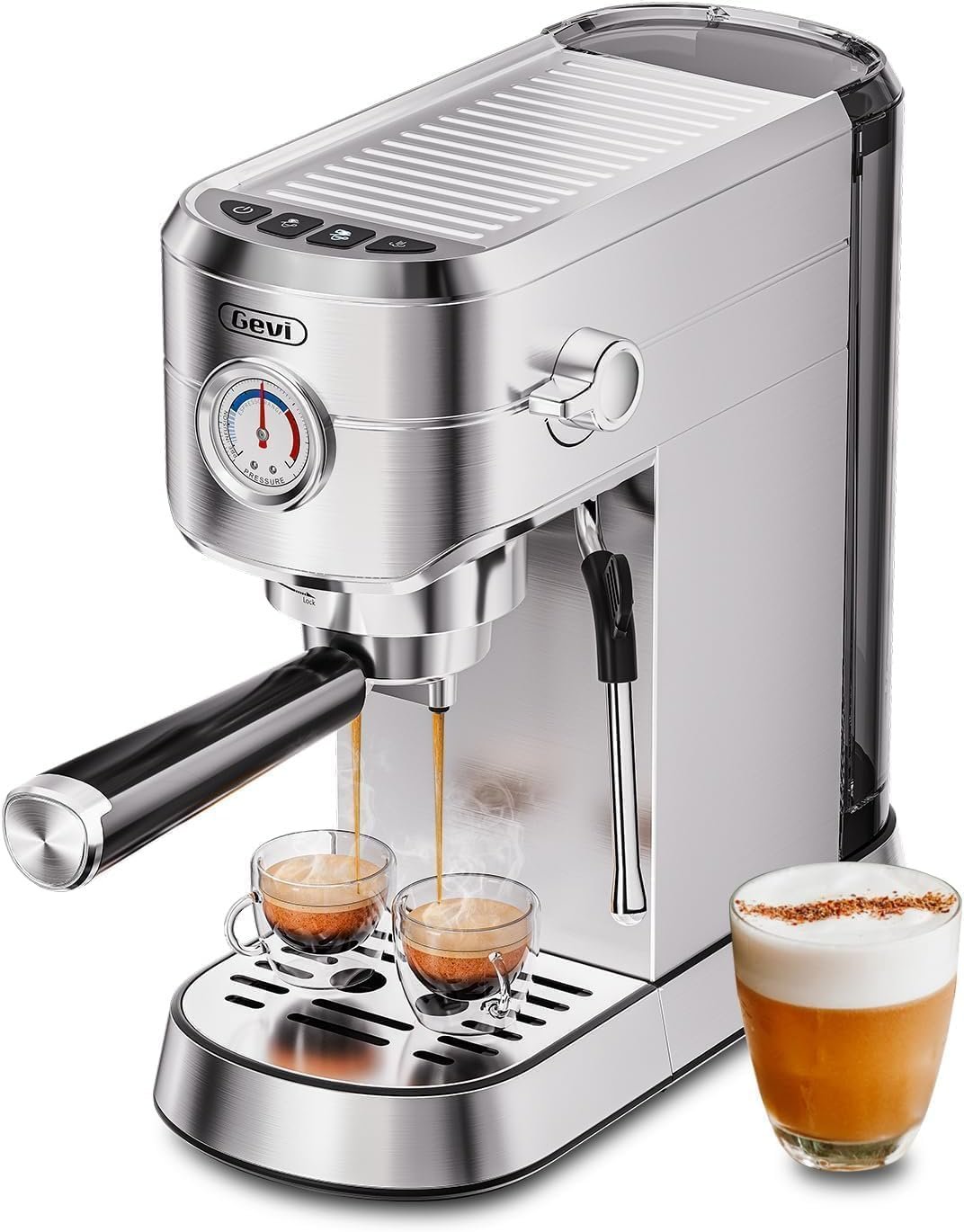
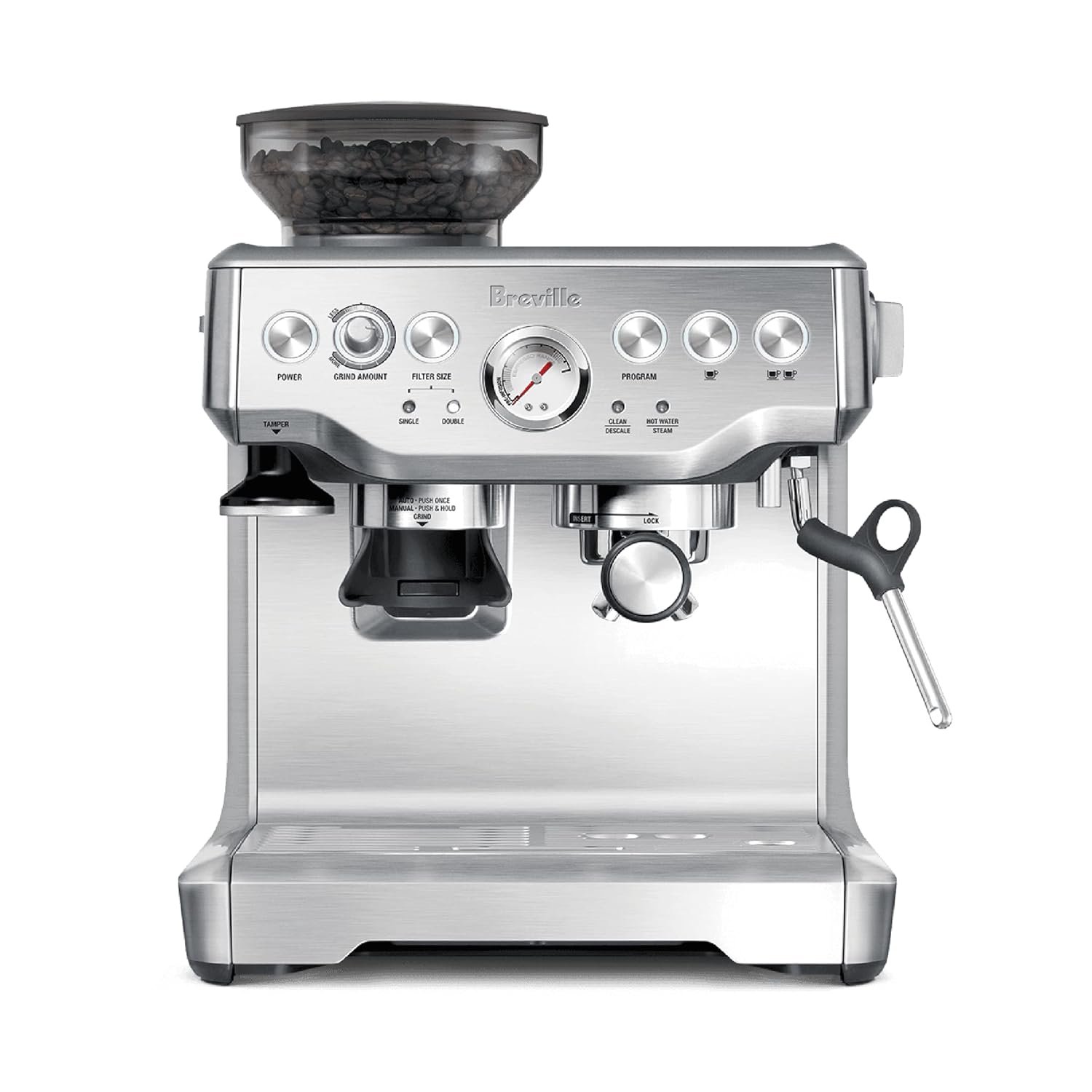
The control panel is designed around a clean, symmetrical interface flanked by metal-capped buttons. In the center sits the machine’s signature feature: a round, retro-inspired analog pressure gauge detailed with polished chrome framing.
The interface is divided logically into simple, direct functions:
Behind the stainless steel exterior, the Classic Signature is built on a reliable framework of components designed to simulate professional brewing parameters:
| Feature | Specification |
| Model Number | EM450M |
| Pump Pressure | 15-Bar Italian Pump (delivers 9-bar extraction pressure) |
| Heating Element | Fast-heating Thermoblock |
| Water Reservoir | 57.48 fl. oz. (1.7 Liters) |
| Voltage & Power | 120V / 1350W |
| Frequency | 60 Hz |
| Portafilter Type | 3-Dose Double-Wall (Pressurized) system |
| Steam Wand | Adjustable 2-Setting (Hot Milk & Cappuccino) |
| Cup Clearance | Up to 4.95 inches (using adjustable drip tray) |
An exceptional shot of espresso requires the precise control of water temperature, water pressure, and mechanical restriction. The De’Longhi Classic Signature manages these complex physics variables through a series of automated, integrated systems.
Standard boilers can take 15 to 30 minutes to heat up and often struggle with thermal drift during back-to-back shots. The Classic Signature bypasses this issue using a Thermoblock heating system.
Instead of keeping a large body of water hot, a Thermoblock utilizes a highly conductive aluminum heating block with integrated narrow water channels. As water is pumped through these channels, it instantly absorbs heat. This design allows the machine to achieve brewing temperatures in under a minute, while maintaining excellent temperature stability from the beginning to the end of the extraction cycle.
While the machine houses an Italian-made 15-bar vibration pump, the extraction phase is carefully regulated. 15 bars of pressure is the standard rating for home espresso pumps, but pushing water through a coffee bed at that full force would destroy the delicate flavor profiles and cause harsh channel flows.
The internal plumbing of the EM450M steps down the flow, delivering a steady 9-bar extraction pressure directly at the coffee puck. Nine bars is the universally accepted standard for commercial espresso brewing, providing enough energy to dissolve the coffee solids and emulsify the aromatic oils into a thick, persistent crema.
The central analog gauge does more than just add a classic aesthetic; it serves as a critical diagnostic tool. As the pump forces water through the portafilter, the gauge needle rises.
The De’Longhi Classic Signature is designed to be accessible, prioritizing convenience and ease of use out of the box. Central to this user-friendly approach is its inclusion of Double-Wall (pressurized) filter baskets.
                +-----------------------------------------+
                |     Double-Wall Filter Basket Design     |
                +-----------------------------------------+
                |  [ Top Mesh Floor ]                     | <--- Uniform holes for filtration
                |  ====================================== |
                |  [ Pressurizing Chamber ]               | <--- Creates mechanical backpressure
                |  -------------------------------------- |
                |  [ Bottom Exit Hole ]                   | <--- Single tiny outlet hole
                +-----------------------------------------+
Standard professional filter baskets feature hundreds of microscopic holes across their entire bottom surface. On those single-walled systems, the only thing creating the pressure needed for espresso is a perfectly ground, perfectly tamped coffee bed. If your grinder is not up to par, or your beans are slightly stale, water will rush right through, resulting in thin, watery coffee.
The Classic Signature’s Double-Wall baskets have two layers:
No matter how coarse or uneven the coffee grind is, the tiny single exit hole restricts the water flow, forcing pressure to build inside the chamber up to the ideal extraction levels.
This makes the EM450M incredibly forgiving. It allows users to successfully extract crema-rich espresso even when using pre-ground store-bought coffee, or utilizing entry-level blade and burr grinders that cannot grind fine enough for non-pressurized baskets.
Additionally, the machine is compatible with E.S.E. (Easy Serving Espresso) pods, offering a mess-free, drop-in brewing alternative for busy mornings.
For those who love specialty milk beverages—such as flat whites, cappuccinos, and classic lattes—the steam wand on an espresso machine is just as important as the extraction itself.
The Classic Signature features a specialized, 360-degree swivel steam wand equipped with an Adjustable 2-Setting Cappuccino System.
                      +-----------------------------+
                      |   Adjustable Steam Wand     |
                      +-----------------------------+
                                     |
               ---------------------------------------------
               |                                           |
               v                                           v
       [ Hot Milk Setting ]                     [ Cappuccino Setting ]
       - No additional air injected             - Continuous air injection
       - Gentle heating & stirring              - Rapid, high-loft aeration
       - Best for flat whites & lattes          - Best for dense, airy cappuccinos
When the collar of the wand is adjusted to the Hot Milk setting, the wand operates as a gentle heating and stirring tool. It avoids pulling air into the pitcher, heating the milk through steam injection while keeping the liquid thin and silky. This is the ideal choice for hot chocolates, matcha lattes, and flat whites that require minimal foam.
Sliding the collar to the Cappuccino setting opens up air inlets on the side of the wand sleeve. As steam passes through the wand, it creates a Venturi effect, pulling air down and injecting it continuously into the milk. This process rapidly aerates the milk, building a thick, stiff, and velvety foam dome perfect for traditional dry cappuccinos.
Because the air injection is mechanically regulated by the wand design itself, beginners can achieve fluffy, cafe-style foam immediately without having to master the manual “vortex” texturing technique required by commercial-style steam wands.
To demonstrate the seamless nature of the De’Longhi Classic Signature, we can look at the step-by-step workflow required to make a standard morning latte.
Turn the machine on. The indicator lights will flash as the Thermoblock heats up and will turn solid once the target temperature is reached. Lock the empty portafilter into the group head and place your serving cup beneath it. Press the Single Cup button to run a blank shot of hot water through the system. This pre-heats the metal portafilter, the group head, and your cup, preventing thermal loss during brewing.
Dry the portafilter basket. Use the included measuring scoop to add ground coffee.
Use the flat end of the measuring scoop (which doubles as a manual tamper) to compress the coffee firmly and evenly. Brush away any stray coffee grounds from the rim of the portafilter to ensure a clean seal against the group head gasket.
Insert the portafilter into the group head and twist it to the right until it is locked securely in place. Position your cup on the drip tray.
Height Customization: If you are using a taller latte glass, the upper stainless steel drip tray plate can be removed to reveal a lower tray recess, raising the cup clearance to a comfortable 4.95 inches.
Press either the Single or Double Espresso button. The machine will activate its pre-programmed volumetric dose, running the pump and stopping automatically when the correct liquid volume has been reached. Watch the analog gauge during extraction to verify the pressure lands within the optimal zone.
Press the Steam button on the panel. Fill a stainless steel milk pitcher with cold milk (or a plant-based alternative). Once the steam light turns solid, submerge the wand nozzle into the milk and rotate the side steam dial.
Set the wand collar to Hot Milk for a thin, creamy texture, or Cappuccino for thick, high-loft foam. Once the milk jug feels hot to the touch (approx. 140°F to 150°F), close the steam dial and remove the pitcher. Pour your textured milk over your freshly extracted espresso shot to complete the latte.
Regular cleaning is the most effective way to ensure consistent flavor profiles and prevent component wear. De’Longhi has integrated several practical design details to make daily and monthly maintenance straightforward.
+------------------+     +------------------+     +------------------+
|    After Use     | --> |      Weekly      | --> |     Monthly      |
+------------------+     +------------------+     +------------------+
| - Wipe wand nose |     | - Wash drip tray |     | - Run descaler   |
| - Purge steam    |     | - Clean baskets  |     | - Rinse water    |
| - Rinse portafilt|     | - Wipe shower scr|     |   tank & lines   |
+------------------+     +------------------+     +------------------+
Over time, tap water leaves behind calcium and magnesium deposits (limescale) inside the narrow channels of the Thermoblock heater. If left uncleaned, this scale can restrict water flow, lower brewing temperatures, and degrade pump performance.
To prevent this, the machine should be descaled every 1–3 months depending on water hardness. Add a specialized, eco-friendly liquid descaling solution (like De’Longhi EcoDecalk) to the water reservoir, run the solution through the group head and steam wand, and perform a final rinse with fresh, clean water.
To help place the Classic Signature (EM450M) in context within the wider home espresso landscape, we can compare its layout and features to two other common machine categories: basic manual steam espresso machines and traditional semi-automatic barista setups.
| Feature / System | Basic Steam Espresso | De’Longhi Classic Signature (EM450M) | Traditional Barista Setups |
| Pressure System | Low pressure (3–5 Bar) | True 15-Bar Italian Pump | Rotary / Vibrational Pump |
| Heating Source | Simple internal boiler | High-Efficiency Thermoblock | Single, Dual, or Heat Exchange Boilers |
| Extraction Feedback | None | Analog Pressure Gauge | Digital PID or Pressure Gauge |
| User Experience | Manual controls | Volumetric Presets (Auto-Stop) | Manual start/stop levers |
| Frothing Wand | Basic steam tube | Adjustable 2-Setting Wand | Professional single-hole steam wand |
| Skill Curve | Low | Beginner-Friendly | Moderate to High |
For those who want to transition from simply brewing coffee to curating an active espresso routine, the De’Longhi Classic Signature provides a highly tactile platform. The presence of the analog pressure gauge allows you to understand the physics of your brew in real-time. It encourages experimentation with different roasts, grind adjustments, and tamping pressures, while offering the safety net of pressurized baskets so you never have to worry about wasting coffee.
By balancing space-saving modern construction with intuitive, physical feedback, the Classic Signature serves as a reliable, long-term anchor for your daily kitchen coffee ritual.