 111
111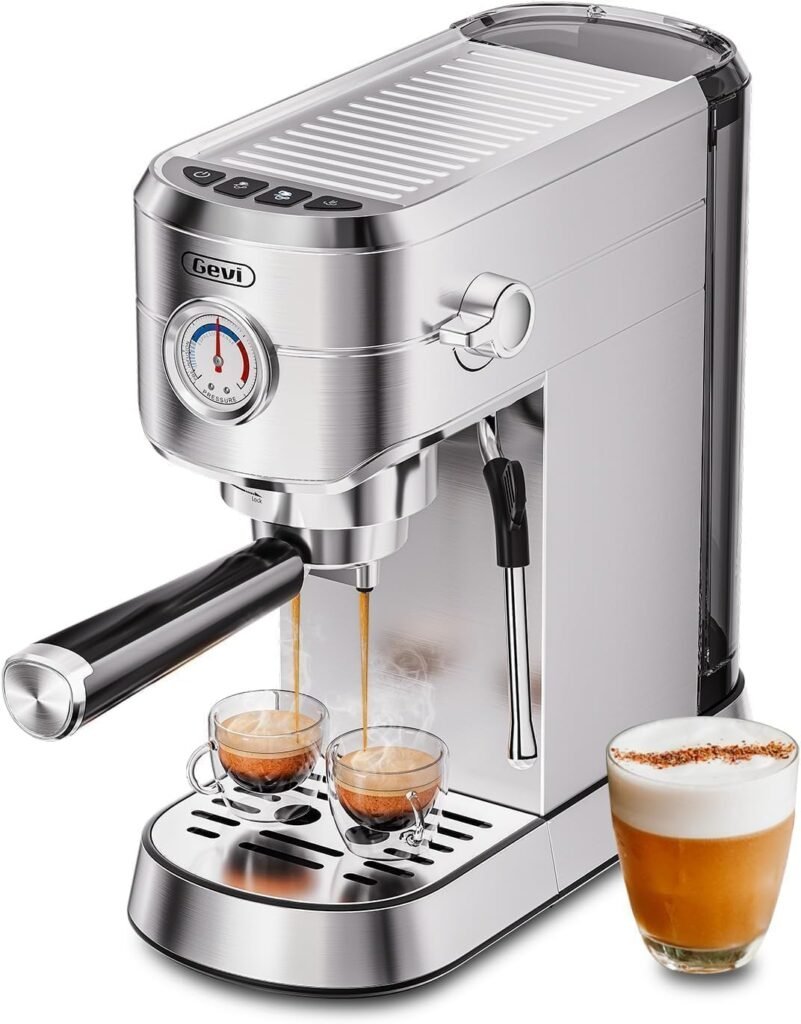 2
2 3
3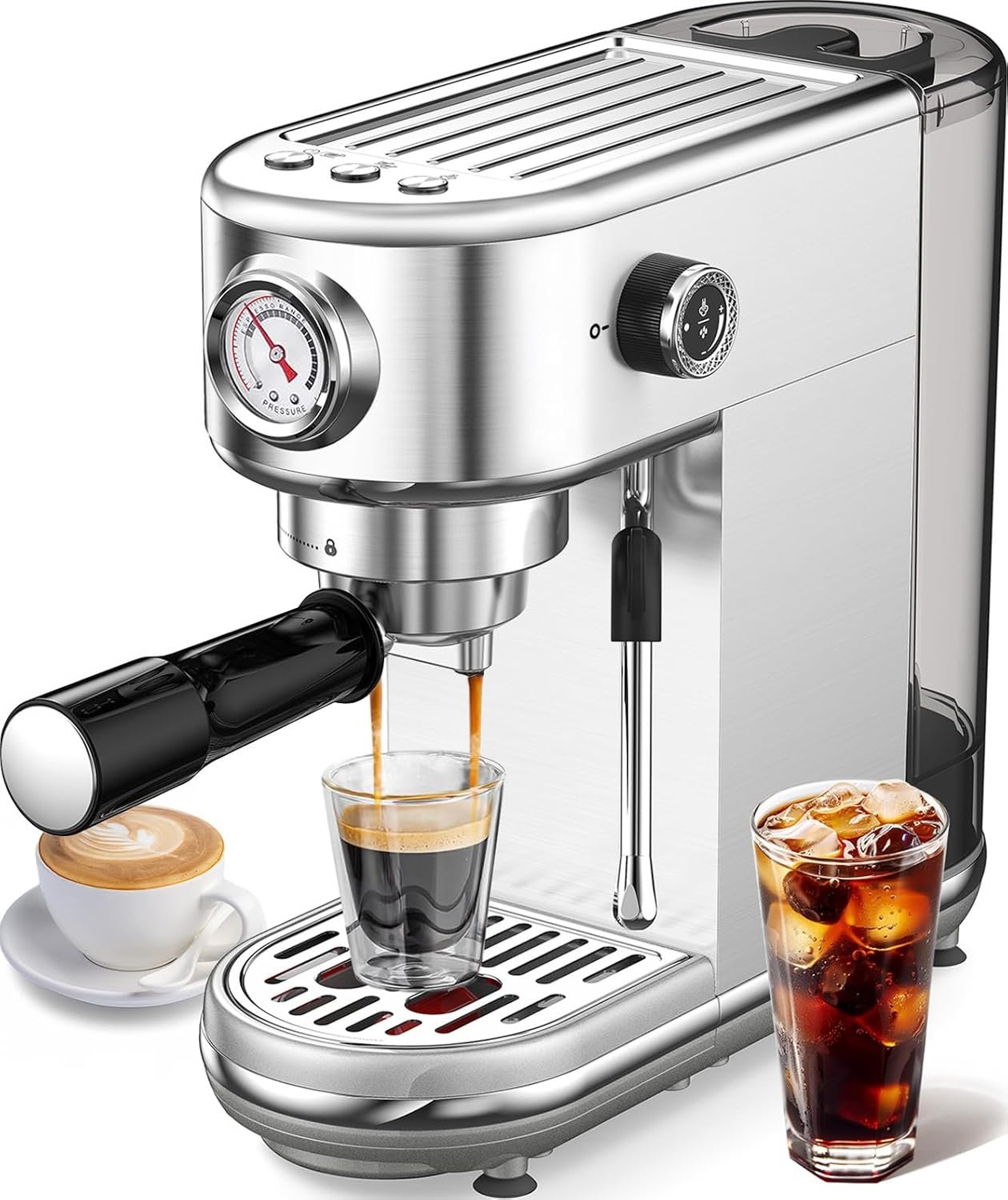
Coffee enthusiasts increasingly look for ways to enjoy café-style beverages without leaving home. Modern espresso machines make it possible to prepare rich espresso, creamy cappuccinos, silky lattes, and other specialty drinks using compact equipment designed for everyday kitchens and office spaces.
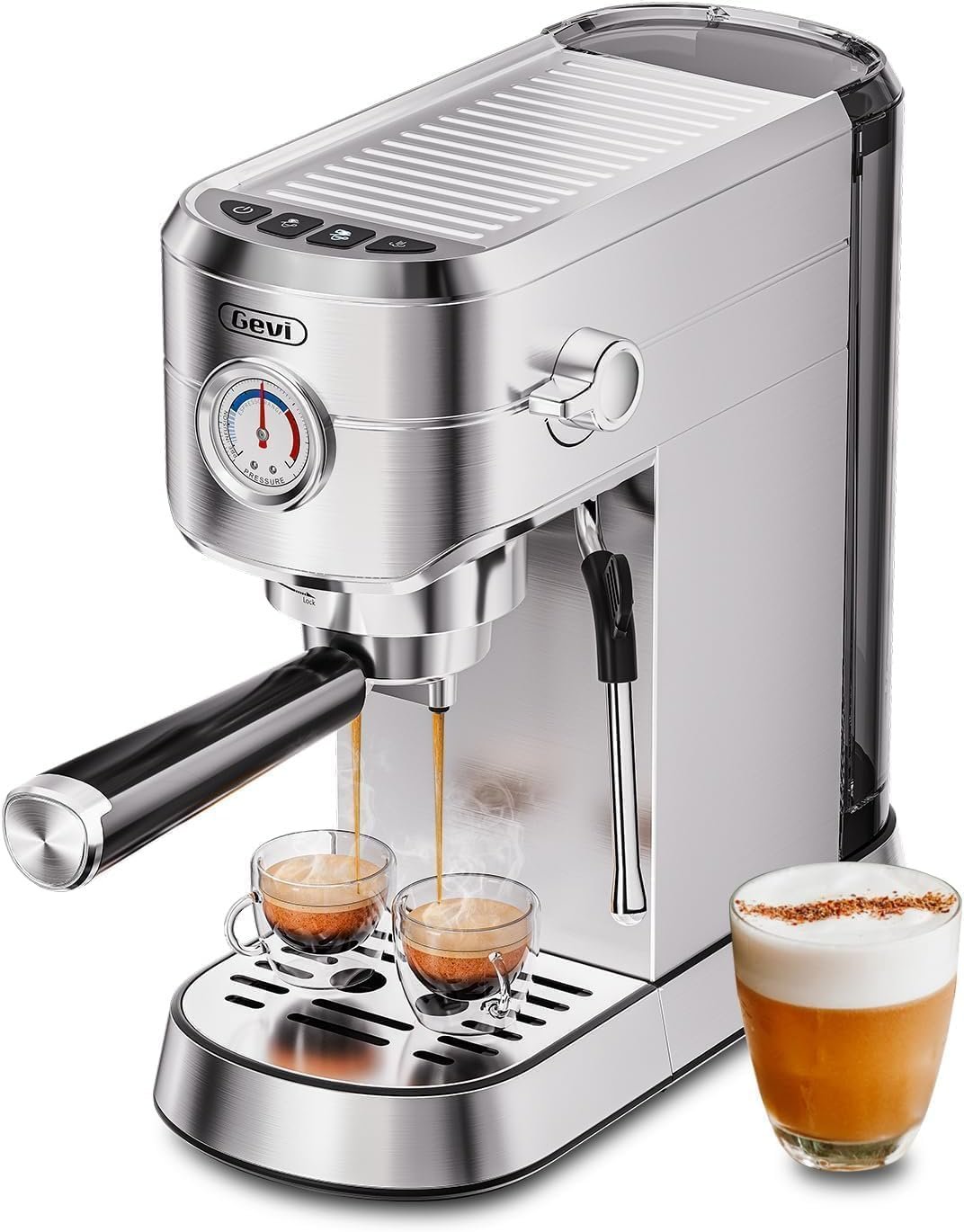
The Atatix Espresso Machine with Milk Frother is one example of a compact semi-automatic espresso machine that combines high-pressure extraction, a built-in steam wand, and a removable water tank into a stainless steel design intended for daily use. Rather than replacing professional commercial equipment, it aims to provide the essential features needed for preparing espresso-based drinks in a convenient home environment.
This guide explores the machine’s specifications, design, brewing process, maintenance requirements, and the types of coffee beverages it can help create. The goal is to provide educational information about the product and explain its features without making purchasing recommendations or subjective performance claims.
The Atatix Espresso Machine is designed for users who want to prepare traditional espresso drinks using freshly ground coffee. It combines several key components commonly found in entry-level and mid-range home espresso machines, including:
These features allow users to prepare espresso while also steaming milk for popular café beverages.
One of the notable aspects of the machine is its stainless steel exterior. Stainless steel is frequently used in kitchen appliances because it offers several practical advantages.
Benefits include:
The metallic finish also helps the machine blend into kitchens featuring stainless steel cookware or other matching appliances.
Counter space is valuable in many homes, apartments, dormitories, and office kitchens.
A compact espresso machine provides flexibility by fitting into smaller work areas while leaving room for other appliances.
Typical placement locations include:
Because the machine occupies relatively little space, users can dedicate a permanent area for coffee preparation without requiring a large countertop footprint.
Pressure is one of the most important factors in espresso preparation.
Traditional espresso is produced by forcing hot water through finely ground coffee under high pressure. Most home espresso machines use electric pumps that generate pressure during extraction.
The Atatix machine features a 20-bar pressure pump, which is designed to supply the force necessary for espresso brewing.
High-pressure extraction helps:
Although pressure is only one element of espresso preparation, it works together with grind size, coffee freshness, water temperature, and tamping technique to influence the final beverage.
The machine is categorized as a semi-automatic espresso machine.
This means the user performs several steps during preparation, including:
Many coffee enthusiasts appreciate this process because it offers greater involvement in drink preparation compared to fully automatic coffee makers.
Water capacity influences how often the reservoir requires refilling.
The Atatix espresso machine includes a 44-ounce removable water tank, allowing users to refill it separately from the rest of the machine.
Advantages of a removable reservoir include:
Using fresh filtered water can also help reduce mineral buildup while supporting consistent coffee flavor.
Milk-based espresso drinks rely on properly steamed milk.
The machine includes an integrated steam wand designed for frothing milk, enabling preparation of beverages such as:
Steaming introduces tiny air bubbles into milk while heating it, creating microfoam that blends with espresso.
Different milk textures are appropriate for different beverages.
For example:
Latte
Requires smooth, silky microfoam.
Cappuccino
Typically uses thicker foam with greater volume.
Macchiato
Usually features a smaller amount of foamed milk.
Learning to control milk texture often improves with practice and proper steaming technique.
Preparing espresso involves several sequential steps.
Fresh coffee beans are ground to a fine consistency suitable for espresso extraction.
Grind size significantly affects brewing.
Ground coffee is evenly distributed inside the basket.
Uniform distribution helps promote even water flow.
A tamper compresses the coffee into a level puck.
Consistent tamping contributes to uniform extraction.
The filled portafilter is secured into the brew head before brewing begins.
Hot water passes through the coffee grounds under pressure.
The resulting espresso typically contains:
If preparing milk beverages, milk is steamed separately using the steam wand.
Espresso and steamed milk are combined according to the chosen recipe.
The machine can be used to prepare many espresso-based beverages.
A concentrated coffee brewed under pressure.
Often served in small cups.
Espresso combined with hot water.
Produces a larger beverage while maintaining espresso flavor.
Espresso mixed with steamed milk and a thin layer of foam.
Known for a creamy texture.
Espresso combined with steamed milk and a generous layer of foam.
Espresso “marked” with a small amount of foamed milk.
Espresso mixed with chocolate and steamed milk.
Espresso combined with finely textured microfoam.
Even a quality espresso machine depends on fresh coffee.
Fresh beans generally preserve:
Many coffee enthusiasts prefer grinding beans immediately before brewing.
Whole beans stored in an airtight container often retain freshness longer than pre-ground coffee.
Espresso requires a fine grind.
If coffee is:
Too coarse
Water flows too quickly, producing under-extraction.
Possible characteristics:
Too fine
Water flows too slowly.
Possible characteristics:
Finding the proper grind often involves small adjustments based on the coffee being used.
Coffee consists mostly of water.
Using clean water may contribute to better flavor.
Many users choose:
Very hard water may contribute to mineral deposits inside espresso machines over time.
Routine maintenance helps keep espresso machines operating properly.
Typical maintenance tasks include:
Regular cleaning is particularly important after steaming milk, as dried milk residue can accumulate inside steam wands if left unattended.
Compact espresso machines are intended for routine household use.
Features that contribute to convenience include:
Together, these characteristics simplify daily coffee preparation while reducing countertop clutter.
A compact espresso machine may fit various settings, including:
Its size makes it suitable where countertop space is limited.
Preparing espresso is both a technical process and a practical skill.
Users often refine their technique over time by experimenting with:
Small adjustments can influence extraction and beverage characteristics.
Learning these variables helps build familiarity with espresso preparation regardless of the specific coffee beans used.
Because espresso machines produce hot water and steam, basic precautions are recommended:
Routine maintenance also contributes to reliable operation over time.
The Atatix Espresso Machine with Milk Frother combines several core features commonly associated with home espresso preparation, including a 20-bar pressure system, semi-automatic brewing, a 44-ounce removable water reservoir, a built-in steam wand, and a compact stainless steel design.
These components support the preparation of a variety of espresso-based beverages, from classic espresso to milk-based drinks such as lattes, cappuccinos, and macchiatos. Understanding how pressure, grind size, milk steaming, and regular maintenance work together can help users get the most from any semi-automatic espresso machine.
Whether used in a kitchen, apartment, or office coffee station, this type of machine provides an opportunity to explore the fundamentals of espresso brewing while developing home barista skills through everyday practice.